Digital Sound Processors – DSP

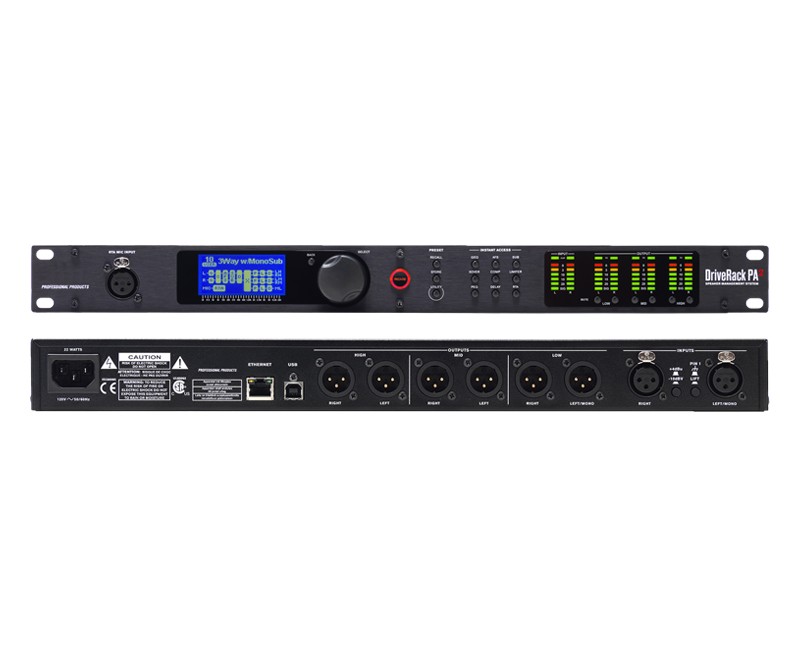
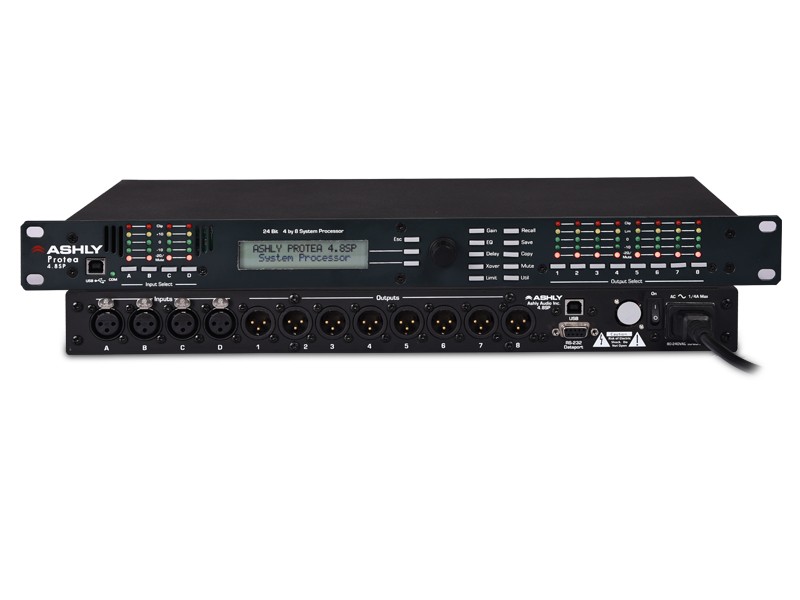
Professional Digital Sound Processors (DSP) designed for advanced speaker management, audio optimization, and system protection. Ideal for line array systems, PA speakers, subwoofers, auditoriums, conference halls, houses of worship, and live events, with digital crossover, EQ, delay, and limiting functions.

Digital Sound Processors (DSP) are designed to optimize, manage, and protect professional audio systems by providing advanced signal processing and speaker management. These processors allow precise control over equalization, crossover frequencies, delay, limiting, and routing to ensure exceptional sound quality and reliable system performance.

Suitable for line array systems, PA speakers, subwoofers, auditoriums, conference halls, houses of worship, theatres, educational institutions, and live events, our DSP processors help audio professionals achieve balanced sound coverage and protect valuable audio equipment from overload and distortion.

Application-Based Recommendations

Application Recommended DSP Solution
Conference Rooms 2-In / 4-Out DSP Processor
Classrooms & Training Centres Compact DSP with Speaker Management
Schools & Colleges 2-In / 6-Out DSP Processor
Auditoriums 4-In / 8-Out Digital Sound Processor
Houses of Worship DSP with EQ, Delay & Feedback Control
Wedding Venues DSP with Presets for Live Music & Speech
Line Array Systems Advanced Loudspeaker Management Processor
Multi-Zone Commercial Audio Multi-Output DSP Processor
Live Concerts Professional DSP with Limiting & Time Alignment
Stadiums & Large Venues Network-Ready Multi-Channel DSP Processor

Models

Application Recommended Model
Small Meeting Rooms DF2.4SP
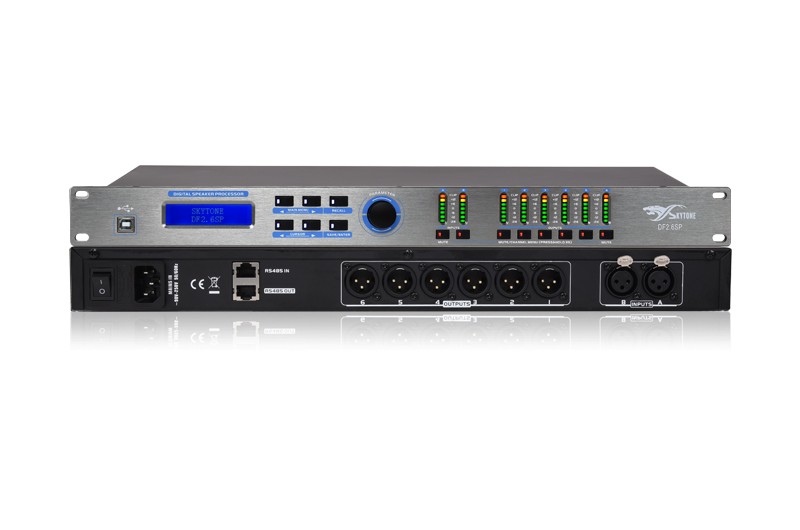
Schools & Conference Halls DF2.6SP
Auditoriums DF3.6SP+
Houses of Worship DF4.8SP
Live Events DSP0408
Large Line Array Systems DSP408 Network Processor

Specifications

Processor Type Professional Digital Sound Processor (DSP)
Input / Output Configuration Multiple Input & Output Configurations Available
Signal Processing Digital Equalization, Crossover, Delay & Limiting
Equalizer Multi-Band Parametric Equalizer
Crossover Filters Butterworth, Bessel & Linkwitz-Riley
Delay Control Input & Output Delay Adjustment
Dynamic Processing Limiter & Signal Protection
Presets User-Configurable System Presets
Control Interface Front Panel & Computer Software (Model Dependent)
Connectivity Professional Balanced Audio Inputs & Outputs
Applications Line Array Systems, PA Speakers, Subwoofers, Auditoriums, Conference Halls & Live Events

Frequently Asked Questions

What is a Digital Sound Processor (DSP)?

A Digital Sound Processor (DSP) is a professional audio device used to optimize and manage sound systems. It processes audio signals by controlling equalization (EQ), crossover frequencies, delay, limiting, and speaker routing to deliver clear, balanced, and reliable sound.

Where are DSP processors commonly used?

DSP processors are widely used in auditoriums, conference halls, schools, colleges, houses of worship, theatres, banquet venues, stadiums, live events, and commercial sound installations.

Why do I need a DSP in a professional audio system?

A DSP improves sound quality, protects speakers from overload, optimizes system performance, and ensures that every speaker receives the correct audio frequencies and signal levels.

Can a DSP be used with line array systems and PA speakers?

Yes. DSP processors are commonly used with line array systems, PA speakers, stage monitors, and subwoofers to provide precise loudspeaker management and optimal audio performance.

What functions does a DSP provide?

A professional DSP typically includes parametric EQ, crossover filters, delay, signal routing, output limiting, speaker presets, and system protection features.

Does a DSP replace a mixer or amplifier?

No. A DSP works alongside mixers and amplifiers. The mixer controls and combines audio sources, the DSP optimizes and manages the signal, and the amplifier powers the speakers.

Can a DSP improve speech clarity?

Yes. By applying equalization, time alignment, and proper crossover settings, a DSP can significantly improve speech intelligibility and overall sound quality in conference rooms, auditoriums, and public address systems.

Is computer software required to configure a DSP?

Many DSP processors can be configured using a computer via dedicated software, while some models also allow adjustments through the front panel. Available control options depend on the specific model.

Do you provide DSP configuration and system design support?

Yes. Bhartiya Tech Solutions offers consultation, DSP selection, system design, and configuration guidance to ensure your professional audio system performs at its best.

How can I get a quotation for a Digital Sound Processor?

Simply share your venue type, speaker configuration, and project requirements with our team. We will recommend the most suitable DSP processor and provide a customized quotation.